
Are you tired of your hot tub heater constantly giving you trouble? Whether it’s a lack of heat or strange noises, maintaining your spa heater is essential to keep it running smoothly. In this article, we will explore the ins and outs of troubleshooting and repairing this important piece of equipment.
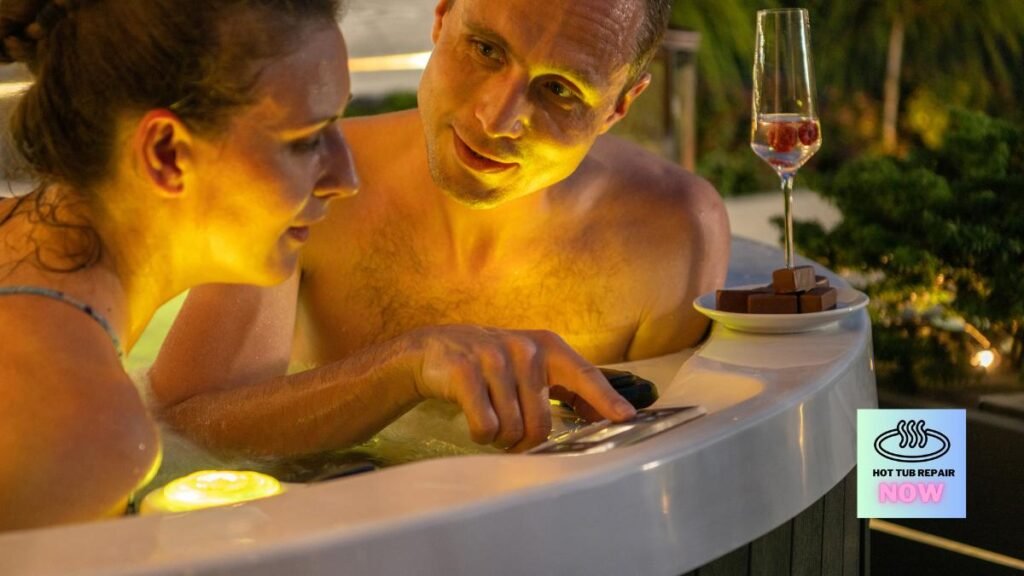
Let’s start with the power supply and connections. A faulty connection could be the root cause of all your heating woes. It’s important to regularly check and ensure that all electrical connections are secure.
Next up, cleaning and replacing filters should be on top of your maintenance checklist. Clogged filters can restrict water flow and put unnecessary strain on the heater.
Leaks are another common issue that can disrupt the heating process. We’ll show you how to inspect for leaks and provide step-by-step repair instructions.
Testing and calibrating the thermostat is crucial for accurate temperature control. We’ll guide you through this process to ensure optimal performance.
Additionally, flushing and descaling the heater will help remove any mineral build-up that can hinder its efficiency.
Faulty heating elements may also need replacing, so we’ll explain how to identify them and provide simple steps for replacement.
Lastly, we highly recommend scheduling regular maintenance checks by professionals who specialize in hot tub heaters. They have the expertise to detect any underlying issues before they become major problems.
By following these tips and incorporating regular maintenance into your routine, you can enjoy uninterrupted relaxation in your jetted tub.
Key Takeaways
- Regular maintenance checks by professionals are recommended
- Power supply and connection issues can affect hot tub heater performance
- Cleaning and replacing filters improves water quality and efficiency
- Flushing and descaling heater removes mineral build-up
Check the Power Supply and Connections
You should check the power supply and connections to make sure everything’s properly connected and working. Troubleshooting power issues is crucial when maintaining your hot tub heater.
Start by inspecting the electrical connections, ensuring they’re secure and free from any damage or corrosion. Check the breaker box to make sure the circuit dedicated to the tub isn’t tripped. If it is, reset it and monitor for any further issues.
Verify that all switches are in the correct position, including the power switch on the hot tub itself. Test the outlet with a multimeter or voltage tester to confirm it’s providing sufficient power.
If you encounter any loose wires or faulty connections, tighten or replace them accordingly. By diligently examining and addressing these potential power-related problems, you can ensure the optimal performance of your hot tub heater.
Clean and Replace Filters Regularly
Regularly cleaning and replacing filters is essential for ensuring optimal performance and extending the lifespan of your hot tub. This maintenance task is a must because it helps maintain proper water circulation and ensures that the water chemistry remains balanced.
Here are three reasons why you should prioritize cleaning and replacing your hot tub filters:
- Improved Water Quality: By regularly cleaning or replacing the filters, you can remove dirt, debris, and contaminants from the water, resulting in cleaner and safer bathing experiences.
- Enhanced Efficiency: Clean filters allow for proper water circulation in the tub, which helps distribute heat evenly and prevents strain on the heater. This not only improves energy efficiency but also extends the life of your hot tub’s heating system.
- Cost Savings: Neglecting filter maintenance can lead to clogged or damaged filters, causing poor water flow and potentially damaging other components of your hot tub. Regularly cleaning or replacing filters can prevent costly repairs down the line.
Inspect and Repair Leaks
Ensuring a leak-free hot tub is crucial for uninterrupted relaxation and peace of mind. To maintain your hot tub’s heater, it’s important to regularly inspect and repair any leaks that may occur.
Start by visually inspecting the entire system for any signs of water leakage. Look for wet spots or puddles around the equipment, as well as any visible cracks or damaged pipes.
If you suspect a leak but can’t find its source, consider using a dye test kit to help pinpoint the problem area.
Once you’ve identified the leak, carefully clean the affected area and apply an appropriate sealant or adhesive to fix it. Remember to follow manufacturer guidelines and use compatible materials for repairs.
Fixing leaks promptly will not only prevent further damage but also ensure optimal performance and longevity of your hot tub heater.
Test and Calibrate the Thermostat
Start by checking and adjusting the thermostat to ensure your spa water is at the perfect temperature for ultimate relaxation. Testing accuracy is important in maintaining an optimal hot tub experience.
Begin by turning on the power to the heater and setting the thermostat to the desired temperature. Give it some time to heat up, and then use a thermometer to measure the water’s actual temperature. If there is a significant difference between the set temperature and the actual temperature, it may indicate a need for calibration or repair.
To calibrate the thermostat, consult your hot tub’s manual or contact a professional technician who can accurately adjust it. Regular thermostat maintenance will ensure accurate temperature control, allowing you to enjoy uninterrupted moments of bliss in your hot tub sanctuary.
Flush and Descale the Heater
It’s important to give the heater a thorough flush and descaling on occasion. Over time, mineral deposits can build up in the heater, reducing its efficiency and potentially causing damage.
To begin the process, turn off the power to the hot tub and allow it to cool down completely. Next, drain the water from the tub and remove any filters or covers that may be blocking access to the heater.
Using descaling methods such as vinegar or a commercial descaling solution, carefully clean all parts of the heater where mineral buildup is present. Be sure to follow all safety precautions provided by the manufacturer when working with chemicals or electrical components.
Once complete, rinse thoroughly with clean water before refilling your tub and restarting the system. Remember, regular maintenance is key in keeping your hot tub functioning optimally for years to come.
Replace Faulty Heating Elements
If you notice that your hot tub isn’t heating up properly, it could be time to replace the faulty heating elements. Troubleshooting tips can help you identify if this is indeed the issue.
First, check the temperature settings on your control panel to ensure they’re set correctly. If they are, then it’s time to replace the heating elements. Here’s a step-by-step heating element replacement guide:
- Turn off power to the hot tub and disconnect it from any electrical source. Drain all water from the tub.
- Locate and remove the access panel on the side of the hot tub where the heater is located. Disconnect any wires connected to the old heating elements.
- Unscrew and remove the old heating elements from their housing. Install new heating elements by reversing the steps above, making sure all connections are secure.
- Refill your hot tub with water and turn on the power to test if it’s now working properly.
Schedule Regular Maintenance and Professional Inspections
Scheduling regular maintenance and professional inspections can help prevent costly issues and extend the lifespan of your hot tub. Did you know that regular maintenance can reduce the risk of major repairs by up to 50%?
By scheduling routine maintenance, you ensure that all components of your hot tub are functioning properly and efficiently. This includes checking for any leaks, inspecting the heating elements, cleaning or replacing filters, and testing water chemistry levels.
Professional inspections are important because they involve a thorough examination of your hot tub’s electrical system, controls, pumps, and other vital parts. A qualified technician can identify potential problems before they become major issues and provide recommendations for necessary repairs or replacements.
Investing in regular maintenance and professional inspections will not only save you money in the long run but also give you peace of mind knowing that your hot tub is safe to use.
Frequently Asked Questions
How often should I replace the filters in my hot tub heater?
Hot tub filters typically last around 1-2 years, depending on usage and maintenance. While cleaning can prolong their lifespan, it’s advisable to replace them periodically for optimal performance.
What are the common signs of a leak in a hot tub heater?
Look for signs of a leak in your heater, such as low water levels, wet spots around the equipment, or a decrease in water temperature. These are common indicators that there may be a leak present.
How can I test the thermostat in my hot tub heater to ensure it is working properly?
To test the thermostat, start by turning off the power. Remove the access panel and locate the thermostat. Use a multimeter to check for continuity across its terminals. If there is no continuity, you may need to replace it.
What is the recommended method for flushing and descaling the heater in a hot tub?
To flush and descale your hot tub heater, start by turning off the power. Then, drain the water and remove any sediment or debris. Next, use descaling products specifically made for hot tubs to clean the heater thoroughly.
How frequently should I schedule professional inspections for my hot tub heater?
To ensure optimal performance, you should schedule professional inspections for your hot tub heater at least once a year. This frequency allows for a thorough examination and adherence to a comprehensive maintenance checklist.
Conclusion
Maintaining your hot tub heater is necessary for its optimal performance. By regularly checking the power supply and connections, cleaning and replacing filters, inspecting and repairing leaks, testing and calibrating the thermostat, flushing and descaling the heater, as well as replacing faulty heating elements, you can ensure that your spa remains in top condition.
Remember to schedule regular maintenance and professional inspections to address any potential issues promptly. Following these steps will guarantee a stress-free experience while enjoying your hot tub.